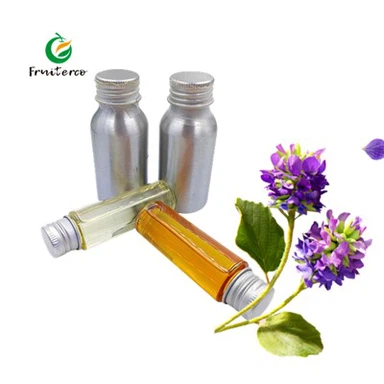
Cornflower Extract: Scientific Basis, Benefits, And Application Prospects
Aug 19, 2026
what is Cornflower Extract?
Cornflower extract is a natural botanical extract derived from the petals of the blue cornflower (Centaurea cyanus L.), a member of the Asteraceae family. Native to Europe and Asia, the cornflower has garnered increasing attention in the fields of food, cosmetics, functional ingredients, and natural product research due to its distinctive blue petals, rich natural pigments, and diverse bioactive compounds.
As a botanical ingredient, cornflower extract is typically obtained through methods such as aqueous extraction, alcoholic extraction, or extraction using mixed solvents. Its primary active constituents include:
- Anthocyanins
- Flavonoids
- Phenolic acids
- Chlorogenic acid
- Caffeic acid
- Ferulic acid
- Apigenin derivatives
- Anthocyanin-based natural pigments
Modern phytochemical research has revealed that cornflower petals are rich in polyphenols; these compounds endow the extract with strong free-radical scavenging capabilities and antioxidant potential.
Why is cornflower extract attracting attention?
In recent years, the growing consumer demand for natural, safe, and plant-derived functional ingredients has driven the expansion of the plant extract market. As a traditional European botanical resource, the petals of the cornflower (Centaurea cyanus) have long been utilized for natural coloring, food decoration, and traditional herbal applications. Modern scientific research has focused primarily on the polyphenols, flavonoids, and anthocyanins found in cornflower extract.
1. A Rich Source of Anthocyanins
Anthocyanins are vital water-soluble plant pigments and represent a class of natural bioactive compounds that have been the subject of extensive research in recent years. A study published in 2025 conducted a systematic analysis of the anthocyanins in blue and pink cornflower blossoms; utilizing UHPLC-DAD-ESI-MS/MS technology, researchers identified various anthocyanin derivatives, including cyanidin 3,5-diglucoside, as well as derivatives of cyanidin and pelargonidin.
The study revealed variations in anthocyanin composition among cornflowers of different colors, noting that both total anthocyanin content and antioxidant capacity are influenced by the specific cultivar. Due to their potent electron-donating capabilities and ability to react with free radicals, anthocyanins are widely investigated for their potential application in natural antioxidant systems.
2. Polyphenolic compounds provide a foundation for antioxidant activity
Oxidative stress is a key area of focus in modern biological research. Excessive production of reactive oxygen species (ROS) within the body can lead to oxidative damage to lipids, proteins, and DNA. The polyphenolic structures found in cornflower can:
- Donate hydrogen atoms
- Stabilize free radical structures
- Inhibit oxidative chain reactions
- Modulate signaling pathways associated with oxidative stress
3. Antioxidant and Anti-inflammatory Effects
A 2024 study further investigated the antioxidant and inflammation-modulating effects of the methanol extract of Centaurea cyanus in cellular models.
The study found that the extract contains high levels of total polyphenols, flavonoids, and tannins, and demonstrated the following effects in RAW 264.7 macrophage models:
- Reduction of NO production
- Modulation of iNOS and COX-2 expression
- Influence on the expression of inflammation-related factors such as IL-6, IL-1β, and TNF-α
These findings suggest that the bioactive compounds in centaurea cyanus extract may participate in the regulation of processes associated with oxidative stress and inflammation through a multi-target mechanism.

cornflower extract benefits:
1. Scavenging Free Radicals
The anthocyanins and polyphenolic compounds in cornflower possess multiple hydroxyl groups capable of reacting with free radicals. The primary processes involved include:
- Release of hydrogen atoms from phenolic hydroxyl groups
- Neutralization of free radical electrons
- Formation of stable phenoxyl radicals
- Interruption of the oxidative reaction chain
2. Regulating Oxidative Stress
Research suggests that plant-derived polyphenols can influence intracellular redox balance by:
- Modulating reactive oxygen species (ROS) levels;
- Affecting antioxidant enzyme systems;
- Enhancing the cell's intrinsic defense mechanisms.
3. Anti-inflammatory Properties
Chronic inflammation is associated with various biological processes. Cellular studies indicate that centaurea cyanus flower extract can reduce the production of inflammatory mediators in LPS-induced models and modulate the following:
- Nitric oxide synthase
- Cyclooxygenase-2 (COX-2)
- TNF-α
- IL-6
- IL-1β
These findings position cornflower as a potential candidate ingredient for research into functional foods, phytonutrients, and skincare formulations.
4. Natural Pigmentation
One of the most distinctive features of the cornflower is its natural blue color. Its anthocyanins exhibit significant pH sensitivity:
- The color shifts toward red in acidic environments
- It appears purple in neutral environments
- It appears blue under specific conditions
Research from 2025 has shown that the stability of cornflower anthocyanins can be enhanced through copigmentation and microencapsulation techniques, making them more suitable for use as natural colorants in the food industry.
cornflower extract Applications:
1. Food and Beverage Industry
- Functional beverages
- Plant-based tea drinks
- Nutritional foods
- Natural colorant formulations
- Bakery products
2. Beauty and Skincare Sector
- Antioxidant skincare products
- Botanical extract products
- Soothing skincare formulations
- Natural-color cosmetics
3. Dietary Supplements Sector
- Botanical complex formulations
- Antioxidant nutritional products
- Anthocyanin supplements
- Beauty and wellness formulations for women
4. Natural Colorant Development
Traditional synthetic colorants face challenges due to rising consumer health awareness, making natural colorants a key area of development for the food industry. Cornflower anthocyanins offer the advantages of vibrant color and a natural origin.
Research from 2025 indicates that cornflower anthocyanin preparations processed using encapsulation and co-pigmentation technologies exhibit enhanced stability, making them suitable for use as natural colorants and functional ingredients in the food industry.
FAQ:
Q1: What are the main active ingredients in Cornflower Extract?
- Anthocyanins
- Flavonoids
- Chlorogenic acid
- Caffeic acid
- Ferulic acid
- Apigenin derivatives
Q2: Which industries is Cornflower Extract suitable for?
- Food and beverages
- Dietary supplements
- Beauty and skincare
- Natural colorants
- R&D of functional plant-based ingredients
Q3: Why is Cornflower Extract attracting market attention?
Key reasons include:
- Natural plant origin
- Rich in anthocyanins
- Supported by research on antioxidant properties
- Suitable for the development of natural colorants
- Aligns with the "Clean Label" trend
about us:
Fruiterco is an export company that mainly produces plant extracts, health product raw materials, and cosmetic raw materials. The company has a 20+ professional service after-sales team.
Our products are sold to North America, Europe, Australia, South America and Asia. Our products have passed quality inspection and also support customer re-inspection. If you would like to buy cornflower extract, please contact us: Email: info@fruiterco.com.
References:
1. Kim S.Y., Kim S.H., Park S.J. Effects of Centaurea cyanus Methanolic Extract on Antioxidant Activity and Anti-inflammatory Effects in LPS-induced RAW 264.7 Macrophages. Journal of Agricultural, Life and Environmental Sciences. 2024;31:362-374. DOI:10.22698/jales.20240027.
2. Influence of Copigmentation and Encapsulation on Stability and Antioxidant Activity of Anthocyanins from Blue and Pink Cornflower (Centaurea cyanus L.) Flowers. Molecules. 2025;30(7):1467.
3. Yogurt with cornflower (Centaurea cyanus L.) petals as a source of antioxidant compounds and dietary fiber: Physicochemical and spectroscopic research during storage. Journal of Dairy Science. 2025;108(3):2243-2263. DOI:10.3168/jds.2024-25628.
4. Chemical study, antioxidant, anti-hypertensive, and cytotoxic/cytoprotective activities of Centaurea cyanus L. petals aqueous extract. Food and Chemical Toxicology. 2019.
5. Chemical features and bioactivities of cornflower (Centaurea cyanus L.) capitula: The blue flowers and the unexplored non-edible part. Industrial Crops and Products. 2019.