

Shaanxi Fruiterco Biotechnology Co., Ltd. is located in Xi'an, Shaanxi, which owns many scenic spots and historic sites such as Datang Furong Garden(Datang Hibiscus Park), Daciensi Tower, and Emperor Qinshihuang's Terracotta Army Museum.
High Quality
We are a leading manufacturer and trader of standardized natural plant extracts, cosmetic raw materials, fruit and vegetable powders, health supplements, probiotics, amino acids, etc. We have: high-performance manufacturing capabilities, customized R&D capabilities, professional certification and accreditation, and professional agency testing. We look forward to cooperation!
Professional Team
Currently, our team has more than 65 employees, including 10 senior engineers, 10 PhDs, 15 masters, and 30 undergraduates. It has a highly educated and high-quality staff team with strong scientific research and production capabilities in plant extract production and formula research. We believe in building customer relationships through innovation, quality and service.
Rich Experience
We always practice our values: bring high-quality products and services to our customers, and hope to achieve long-term cooperation and grow together with our customers.
Global Shipping
With its complete testing methods and strict quality control measures, our high-quality products are exported to more than 100 countries around the world, including the United States, Canada, the United Kingdom, France, Australia, Japan, South Korea, Malaysia, Brazil and Turkey. We look forward to cooperation!
-
![Vitamin D3 Oil]() Add to Inquiry
Add to Inquiry -
![Vitamin B5 Pantothenic Acid]() Add to Inquiry
Add to Inquiry -
![DL Panthenol Powder]() Add to Inquiry
Add to Inquiry -
![Riboflavin Vitamin B2 Powder]()
Riboflavin Vitamin B2 Powder
Add to Inquiry -
![Pantothenic Acid Powder]() Add to Inquiry
Add to Inquiry -
![Thiamine HCL Vitamin B1 Powder]()
Thiamine HCL Vitamin B1 Powder
Add to Inquiry -
![Pure Vitamin E Powder]() Add to Inquiry
Add to Inquiry -
![Vitamin A Retinol Powder]() Add to Inquiry
Add to Inquiry -
![Liquid Vitamin E Oil]() Add to Inquiry
Add to Inquiry -
![Vitamin K2 Mk7 Bulk Powder]() Add to Inquiry
Add to Inquiry -
![Bulk Vitamin B3 Powder]() Add to Inquiry
Add to Inquiry -
![Bulk Biotin Powder]() Add to Inquiry
Add to Inquiry

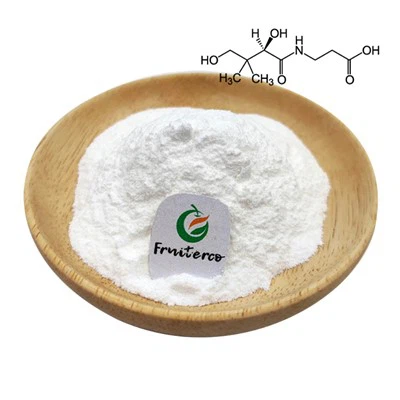


Vitamin powder is a concentrated form of vitamins that are designed to be mixed into liquids or soft foods. They offer a convenient way to ingest essential nutrients that may not be sufficiently consumed through diet alone.
Vitamin powders are dietary supplements aimed at providing an efficient method for delivering essential nutrients, such as vitamins and minerals, to the body.
They are typically used to supplement a regular diet by dissolving the powder in water, juice, or blending it into a smoothie.
These powders cater to various dietary needs, often being tailored to support overall health, address specific nutrient deficiencies, or aid in the achievement of certain health goals.
Benefits of Vitamin Powder
Strengthening from Within:
Our Vitamin Powder is infused with keratin and calcium, two essential nutrients known for their vital roles in nail health.
Keratin, a structural protein, is the building block of nails, hair, and skin. It plays a critical role in reinforcing the integrity of your nail bed by binding to the existing keratin in your nails, thereby enhancing their natural strength.
Creating a Protective Shield:
Upon application, the Vitamin Powder forms an ultra-durable base layer on the surface of your nails. This layer acts as a hard, protective shield that not only supports the underlying structure but also guards against external stressors such as impacts, chemicals, and environmental factors.
Nourishing and Promoting Growth:
Regular use of the Vitamin Powder not only strengthens and protects but also nourishes your nails, creating an ideal environment for natural growth. The combined action of keratin and calcium ensures that your nails are not just strong, but also healthy, flexible, and vibrant.
The Perfect Foundation for a Flawless Manicure:
Vitamin Powder is also an excellent base for your dip powder manicures. Its clear, smooth finish makes it versatile enough to be used alone for a natural look or as a strengthening base under any color or design.
This makes it an indispensable part of your nail care arsenal, ensuring that your nails are not only visually stunning but also strong and healthy beneath the surface.

Types of Vitamin Powders
Single-Vitamin Powders: These contain a high concentration of one specific vitamin, such as vitamin C or vitamin D.
Multi-Vitamin Powders: These provide a broad range of vitamins and sometimes minerals, designed to cover the daily recommended intake of multiple nutrients.
Specialty Blends: Some powders are formulated for particular uses, such as prenatal, workout recovery, or immune support, and may contain a blend of vitamins, minerals, and additional supplements like herbs or amino acids.
Vitamin powders are a practical choice for those seeking an alternative to pills, especially if they have difficulty swallowing tablets or capsules. They are formulated for maximum absorption and can be a vital part of a health-conscious individual’s regimen.
How to Add Vitamin Powder to Your Skincare Routine
Vitamin C has a range of skincare benefits from firmer skin to fewer wrinkles and dark spots—But the ingredient is notoriously finicky. As an antioxidant, it’s prone to oxidizing, meaning that it breaks down when it’s exposed to air, light and heat. If you’ve ever had a vitamin C serum that turned orange or brown in color, you’re familiar with this concept.
Enter Vitamin Powder. L-ascorbic acid powder is highly stable and can be mixed into your skincare products for an antioxidant boost. Because you mix the powder into a dollop of a serum or moisturizer before applying, it’s like mixing up a fresh (and guaranteed potent) dose every time. If you decide to try a vitamin C booster powder, there are a few things you should keep in mind.
Look for a Vitamin Powder formulated for skin (like Good Molecules Vitamin C Booster Powder). The powder has to be processed properly in order to penetrate into the skin, so indigestible Vitamin Powder (the kind you find in the vitamin aisle) isn’t ideal.
Add the powder to water-based products like serums, essences, and lotions. Vitamin C is water-soluble, so it works best when mixed with light, watery textures until the powder dissolves.
Aim for 20% concentration or less, or about 1 part powder to 4 parts product or less. If your skin is sensitive, start with less powder. It’s always smart to patch test on your arm before trying it on your face.
How to Safely Recover Vitamin Powders?
A vitamin is an organic compound and a vital nutrient that an organism requires in limited amounts. An organic chemical compound is called a vitamin when the organism cannot synthesize the compound in sufficient quantities, and it must be obtained through the diet; thus, the term "vitamin" is conditional upon the circumstances and the particular organism.
Hazardous exposure to workers may occur through inhalation of dust created during: Hand manipulation; operation of a tablet encapsulation machine; and by performing sieving and granulation operations.
Although the greatest risk is to workers who are compounding these vitamins, people in adjacent work areas (e.g., clerical workers, support staff, maintenance personnel, and visitors) also may be at risk of exposure which can occur through inhalation of "fugitive" drug aerosols, or by contact with contaminated surfaces and floors.
What Are Raw Materials Used in Vitamin Manufacturing?
The raw materials used in vitamin manufacturing vary depending on the type of vitamin being produced. Some vitamins can be synthesized chemically, while others are produced through natural fermentation or extraction from plant or animal sources.
Vitamin C Bulk Powder
Vitamin C (Ascorbic Acid) powder is made from glucose or sorbitol, as well as an organic acid such as citric or tartaric acid. Specific types of microbes ferment these materials, converting them to vitamin C.
Vitamin B12 Powder
The raw materials used to produce vitamin B 12 powder in bulk include cultures of specific strains of bacteria grown in a nutrient-rich medium. The bacteria produce vitamin B12, extracted from the culture medium.
Vitamin D Powder
The raw material used to produce vitamin D 3 is lanolin, obtained from sheep’s wool. The lanolin is then processed through chemical reactions to produce vitamin D3.
Vitamin E Bulk Powder
The raw materials used to produce vitamin E are vegetable oils such as soybean, sunflower, or palm oil. The oil is extracted from the plant material and then processed to isolate the vitamin E.
Bulk Vitamin A Powder
The raw materials used to produce vitamin A depend on the source of the vitamin. For example, beta-carotene, a precursor to vitamin A, is derived from plant sources such as carrots or algae. Retinol, another form of vitamin A, can be obtained from animal sources such as the liver.
Common Production Flow Steps for Vitamins Powder
The manufacturing process for vitamins can vary depending on the specific type of vitamin and the source from which it is derived. However, some common manufacturing processes are used across the industry. Here is a general overview of the common manufacturing process for vitamins:
Raw material Preparation
The first step in vitamin manufacturing is preparing the raw materials. It can involve harvesting the natural source of the vitamin, such as plants or animals, or synthesizing the vitamin through chemical processes. The raw materials are cleaned, dried, and milled into a fine powder.
Extraction or Synthesis
The next step is the extraction or synthesis of the vitamin. If the vitamin is obtained from a natural source, it may be extracted using solvents, filtration, or other methods. If the vitamin is synthesized, it may be produced through chemical reactions using specialized equipment and reagents.
Purification
After the vitamin is extracted or synthesized, it must be purified to remove impurities and other unwanted substances. It can involve filtration, centrifugation, or chromatography. Chromatography is a particularly important purification method, as it allows for separating individual components in the vitamin mixture.
Formulation
Once the vitamin is purified, it is formulated into a final product that can be easily consumed. It may involve adding fillers, binders, and other ingredients to create a tablet or capsule. Alternatively, the vitamin may be formulated as a liquid, such as syrup or a solution.
Quality Control
Quality control measures are employed throughout the manufacturing process to ensure that the final product is safe, effective, and consistent. It can involve testing the raw materials and finished products for purity, potency, and contamination. Regular inspections by regulatory agencies such as the FDA are also used to verify compliance with quality control standards.
Packaging and Labeling
Once the final product is formulated and tested, it is packaged into its final forms, such as a bottle, blister pack, or sachet. The product is then labeled with information about its contents, dosage, and recommended usage.
The manufacturing of vitamins has evolved significantly over the years, with technological advancements allowing for more efficient and precise processes. Several of the latest technologies being used in vitamin manufacturing include:
Nanotechnology
Nanotechnology is the modification of matter at the nanoscale level, which usually ranges from 1 to 100 nanometers in size. Nanotechnology can produce nanoscale particles of vitamins in vitamin production, increasing their bioavailability and absorption in the body. Vitamin E nanoparticles, for example, have been shown to enhance vitamin E powder in bulk delivery to epidermal cells.
Microencapsulation
Microencapsulation is a process in which a substance is coated with a protective barrier to improve its stability, reduce degradation, and enhance its delivery to the body. In vitamin manufacturing, microencapsulation can protect vitamins from degradation due to exposure to light, heat, or moisture and improve their solubility and bioavailability.
High-Throughput Screening
High-throughput screening involves using automated systems to rapidly test large numbers of compounds for their activity and effectiveness. In vitamin manufacturing, high-throughput screening can identify novel sources of vitamins and optimize the production process for existing vitamins.
Bioreactors
Bioreactors are large-scale vessels that grow microorganisms or cells to produce vitamins through fermentation. Advances in bioreactor technology have led to improved efficiency and yield in vitamins bulk powder production and the ability to produce vitamins using non-traditional sources such as algae or fungi.
Quality Control Technologies
Advances in quality control technologies have made monitoring the quality and purity of vitamins easier throughout the manufacturing process. For example, high-performance liquid chromatography (HPLC) and mass spectrometry (MS) can identify and quantify individual vitamins and contaminants in raw materials and finished products.
Artificial Intelligence (AI)
AI and machine learning algorithms can analyze large data sets to optimize manufacturing processes, predict potential quality issues, and improve efficiency. For example, AI can analyze the fermentation process in real-time, optimizing temperature, pH, and nutrient levels to maximize yield and minimize waste.
Our Factory
Shaanxi Fruiterco Biotechnology Co., Ltd. is located in Xi'an, Shaanxi, which owns many scenic spots and historic sites such as Datang Furong Garden(Datang Hibiscus Park), Daciensi Tower, and Emperor Qinshihuang's Terracotta Army Museum.


FAQ
We're well-known as one of the leading vitamin powder manufacturers and suppliers in China. Please rest assured to wholesale the best vitamin powder in stock here from our factory. For customized service, contact us now.
d cholecalciferol vitamin d3, vitamin k2 mk4 powder, natural vitamin c powder