Is Sucralose Bad for You?
Aug 29, 2024
What is Sucralose?
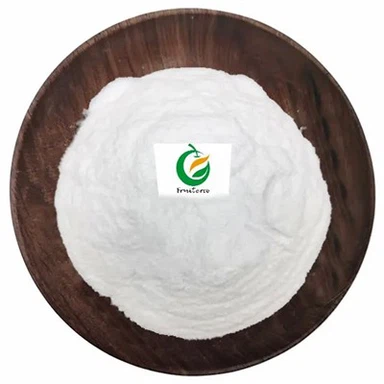
Sucralose is a synthetic sweetener widely used in foods and beverages as a sugar substitute. It is a derivative of sucrose, obtained by replacing the hydroxyl groups in the sucrose molecule with chlorine atoms.
Sucralose has better stability and a higher safety rating than non-nutritive sweeteners and is considered to have better flavor.
Therefore, it is used in a variety of low-calorie foods, beverages, and medications to provide sweetness without adding large amounts of calories, including: light yogurt and ice cream, and sugar-free chewing gum. Sugar-free candies, sodas, gelatin, frozen dairy desserts.
Benefits:
1. High sweetness:
Sucralose is about 600 times sweeter than sucrose, so the amount used is very small.
2. Low calorie:
Sucralose powder is not metabolized in the body and therefore does not provide calories, making it suitable for low-calorie and weight-loss diets.
3. Stability:
It is stable under high temperatures and acidic environments and does not break down easily, which allows it to be used in baked and processed foods.

4. Does not affect blood sugar:
Sucralose does not cause fluctuations in blood sugar levels and is suitable for diabetics.
5. Tooth-friendly:
It is not fermented by oral bacteria and therefore does not cause cavities.
6. Food additives
In the food industry, sucralose bulk powder is currently most widely used in various beverages, such as carbonated beverages, fruit juice beverages, fruity beverages, plant protein beverages, tea beverages, functional beverages, coffee beverages, alcoholic beverages and other products .
sucralose bad for you:
1. Regulate blood sugar
Sucralose is a sweetener that does not contain much energy. If you consume too much, it will change the insulin and blood sugar levels in the body, even lead to obesity and aggravate the symptoms of diabetics.
2. Reduce beneficial intestinal flora
Too much sucralose and sugar will have a certain impact on the intestinal flora, which may affect the number of intestinal flora, reduce the beneficial intestinal flora, and easily cause gastrointestinal discomfort symptoms, such as diarrhea, bloating, etc.
3. Reduced efficacy
Pure sucralose powder will change the properties of intestinal proteins to a certain extent, thereby affecting the body's absorption of certain drugs and affecting the efficacy of the drugs.
It is recommended to eat as much natural food as possible and avoid adding many food additives. Patients with unstable blood sugar should actively control their blood sugar and avoid excessive use of sucralose to avoid fluctuations in blood sugar levels.
Our Advantages:
Fruiterco can provide efficient and convenient delivery methods for the products that customers need. For example: air, sea, express, you can rest assured of product quality problems during transportation.
We have professional business staff to communicate with you about your product needs and understanding. There is a professional mailbox system, you can leave a message at any time, we will reply as soon as we see it. If you have any product needs, you can leave a message at any time and we will reply as soon as we see it. Contact us for more details: Email: info@fruiterco.com.
References:
1. AlDeeb OA, Mahgoub H, Foda NH. Sucralose. Profiles Drug Subst Excip Relat Methodol. 2013;38:423-462. doi:10.1016/B978-0-12-407691-4.00010-1
2. Czarnecka K, Pilarz A, Rogut A, et al. Aspartame-true or false? Narrative review of safety analysis of general use in products. Nutrients. 2021;13(6):1957. doi:10.3390/nu13061957
3. Wilk K, Korytek W, Pelczyńska M, Moszak M, Bogdański P. The effect of artificial sweeteners use on sweet taste perception and weight loss efficacy: A review. Nutrients. 2022;14(6):1261. doi:10.3390/nu14061261
4. Mathur K, Agrawal RK, Nagpure S, Deshpande D. Effect of artificial sweeteners on insulin resistance among type-2 diabetes mellitus patients. J Family Med Prim Care. 2020;9(1):69-71. doi:10.4103/jfmpc.jfmpc_329_19
5. Hu Y, Costenbader KH, Gao X, et al. Sugar-sweetened soda consumption and risk of developing rheumatoid arthritis in women. Am J Clin Nutr. 2014;100(3):959-967. doi:10.3945/ajcn.114.086918
6. Basu S, Yoffe P, Hills N, Lustig RH. The relationship of sugar to population-level diabetes prevalence: An econometric analysis of repeated cross-sectional data. PLoS One. 2013;8(2):e57873. doi:10.1371/journal.pone.0057873