Lotus Seed Powder: Active Ingredients, Benefits, Uses, And Key Considerations For B2B Buyers
Aug 27, 2026
what is Lotus Seed Powder?
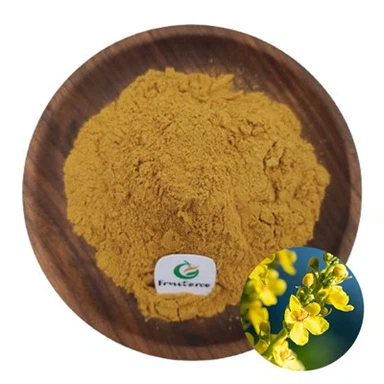
Lotus seed powder is typically produced from mature lotus seeds through processes such as cleaning, impurity removal, drying, peeling or de-germing (removing the bitter core), and pulverization. Depending on the processing method, lotus seed powder is available on the market in various forms, such as:
- Whole lotus seed powder
- De-germed lotus seed powder
- Peeled lotus seed powder
- Lotus seed starch
- Lotus seed protein powder
- Lotus seed extract
Although all these products originate from lotus seeds, their compositional profiles and applications differ.
Standard lotus seed powder is closer to a natural food ingredient, retaining the starch, protein, dietary fiber, and certain phytochemicals found in the seeds; in contrast, lotus seed extract is typically produced by concentrating specific components through water extraction, alcohol extraction, or other processing methods.
Key active ingredients of Lotus Seed Powder:
1. Polysaccharides
Lotus seed polysaccharides are important plant-derived constituents that have garnered significant attention in recent years. A review published in the *International Journal of Biological Macromolecules* in 2024 highlighted polysaccharides as key bioactive components of the *Nelumbo* genus; current research focuses on their extraction, purification, structural characterization, biological activities, and applications.
Additionally, a 2022 systematic review summarized the structural characteristics and potential biological activities of polysaccharides derived from various parts of the lotus plant. While polysaccharides are not the sole source of activity in lotus seed powder, they constitute a significant component of phytochemical research on the lotus plant.
2. Flavonoids
Flavonoids are a class of plant compounds within the *Nelumbo* genus that have been extensively studied. These compounds possess a strong foundation of research regarding their antioxidant properties and are key subjects in the study of natural functional foods and antioxidants.
A review published in *Future Foods* in 2025 noted that the edible parts and by-products of the lotus plant are rich in phytochemicals-such as polyphenols, alkaloids, and anthocyanins-offering potential for the further development of natural antioxidant food ingredients.
3. Alkaloids
Lotus plants contain various alkaloids, such as liensinine, isoliensinine, and nuciferine. It is important to note that kamal gatta powder and lotus plumule (the green embryo inside the seed) are not identical raw materials.
The lotus plumule is the green embryo found within the lotus seed, and its alkaloid composition differs from that of the seed itself. Therefore, when purchasing standard lotus seed powder, one should clarify whether the product contains lotus plumule and, if so, the proportion included.
A 2023 international review summarized the biosynthesis, pharmacokinetics, biological activities, and safety of alkaloids from *Nelumbo* species, as well as their applications in food, pharmaceuticals, and cosmetics.
lotus seed powder benefits:
1. Antioxidant Properties
The polyphenols and flavonoids found in lotus seeds serve as significant sources for research into natural antioxidants. Studies typically evaluate the free-radical scavenging or reducing capabilities of plant extracts using in vitro assays such as DPPH, ABTS, and FRAP.
A comprehensive 2025 review on the lotus plant indicates that various edible parts and by-products of the lotus are rich in natural antioxidant compounds, offering potential for the development of natural food antioxidants. Consequently, lotus seed powder can serve as an ingredient in research focused on natural phytonutrient and antioxidant formulations.
2. Lotus Polysaccharides
Lotus polysaccharides represent another key area of research. Current experimental studies primarily focus on the relationship between their structure and various functions, including antioxidant activity, inflammation modulation, and immunomodulatory effects.
A 2024 review on lotus polysaccharides highlights that structural characteristics-such as monosaccharide composition, molecular weight, glycosidic linkages, and branching patterns-can influence their biological activity.
3. Starch Digestion
A key advantage distinguishing lotus seed powder from many other plant extracts is its high natural starch content. Lotus seed starch is characterized by a high amylose content and a unique crystalline structure; these structural factors influence its gelatinization, retrogradation, and digestion properties.
Research indicates that physical, chemical, or enzymatic modification can alter the digestion-resistant properties of lotus seed starch, thereby expanding its potential applications in functional foods and prebiotic products.

lotus seed powder uses:
1. Functional Foods
Lotus seed powder is derived from a clear natural source and contains starch, protein, and dietary fiber, making it highly suitable for use in plant-based and functional foods. Examples include:
- Nutritional powders
- Plant-based breakfast powders
- Nutrition bars
- Mixed grain powders
- Plant-based snacks
- Protein-rich nutritional foods
- Mixed fruit and vegetable powders
2. Solid Beverages
Lotus seed powder can be used in:
- Lotus seed-based plant drinks
- Instant nutritional powders
- Plant-based protein drinks
- Mixed grain beverages
- Lotus seed and grain powders
- Plant-based milk powder products
3. Bakery Products
Lotus seed flour can also serve as a plant-based ingredient in baked goods, such as:
- Bread
- Cookies
- Cakes
- Protein bars
- Energy bars
- Plant-based nutritional snacks
The starch and protein in lotus seed flour contribute to the formation of the food's structure while imparting a unique plant-based flavor.
4. Functional Starch Products
The unique structure of lotus seed starch makes it a subject of interest in modern food processing. Techniques such as pre-gelatinization, physical modification, and enzymatic modification can be employed to further adjust its digestibility and processing characteristics.
5. Dietary Supplements
Lotus seed powder that complies with local regulations for food or dietary supplements can serve as a composite ingredient in plant-based formulations. Examples include:
- Cereal flours
- Nut flours
- Plant proteins
- Dietary fibers
- Other fruit and vegetable powders
- Plant extracts
What should be considered when sourcing lotus seed powder for B2B purposes?
When selecting a supplier for lotus seed powder, it is recommended to evaluate quality based on the following aspects:
1. Botanical Source
Verify that the raw material is derived from *Nelumbo nucifera* Gaertn., and clarify the origin and processing method.
2. Removal of Lotus Plumule (Heart)
The phytochemical composition of the lotus plumule differs from that of the main seed body; therefore, it is essential to confirm whether the product contains the plumule.
3. Moisture Content
Low and stable moisture levels facilitate storage and transportation of the powder.
4. Particle Size
Requirements for particle size vary across food, beverage, and nutritional powder applications; specifications should be selected based on the intended end-use.
5. Microbiological Parameters
Key testing should focus on total plate count, molds and yeasts, as well as specific pathogens required by regulations in the target market.
6. Heavy Metals and Pesticide Residues
As the lotus is an aquatic plant, particular attention should be paid to the control of heavy metals, pesticide residues, and environmental contaminants during international sourcing.
7. Organoleptic Properties
Color, aroma, taste, and powder uniformity directly impact the quality of the final food product.
8. Batch-to-Batch Consistency
For long-term B2B partnerships, it is crucial to assess the consistency of moisture content, particle size, nutritional composition, and microbiological indicators across different batches.
about us:
Fruiterco is an export company that mainly produces plant extracts, health product raw materials, and cosmetic raw materials. The company has a 20+ professional service after-sales team.
Our products are sold to North America, Europe, Australia, South America and Asia. Our products have passed quality inspection and also support customer re-inspection. We are a professional supplier and manufacturer of red bean powder. If you wish to buy lotus seed powder, please contact us: Email: info@fruiterco.com.
References:
1. The edible lotus (Nelumbo nucifera Gaertn.) and its byproducts as valuable source of natural antioxidants: A review of phytochemicals, health benefits, safety and food applications. Future Foods. 2025;11:100603. DOI: 10.1016/j.fufo.2025.100603.
2. A comprehensive review on lotus seeds (Nelumbo nucifera Gaertn.): Nutritional composition, health-related bioactive properties, and industrial applications. Journal of Functional Foods. 2022;89:104937. DOI: 10.1016/j.jff.2022.104937.
3. Lotus Seeds: Current Molecular Biology Insights and Future Perspectives as a Prominent Biological Resource. 2026.
4. Preparation, structural characterization, and biological activities of lotus polysaccharides: A review. International Journal of Biological Macromolecules. 2024;279:135191. DOI: 10.1016/j.ijbiomac.2024.135191.
5. Lotus (Nelumbo nucifera): a multidisciplinary review of its cultural, ecological, and nutraceutical significance. Bioresources and Bioprocessing. 2024;11:18. DOI: 10.1186/s40643-024-00734-y.
6. Recent advances on bioactive compounds, biosynthesis mechanism, and physiological functions of Nelumbo nucifera. Food Chemistry. 2023.
7. Alkaloids from lotus (Nelumbo nucifera): recent advances in biosynthesis, pharmacokinetics, bioactivity, safety, and industrial applications. Critical Reviews in Food Science and Nutrition. 2023. DOI: 10.1080/10408398.2021.2009436.
8. Extraction, purification, structural characteristics, biological activities, and application of the polysaccharides from Nelumbo nucifera Gaertn. (lotus): A review. 2022.
9. A novel starch from lotus (Nelumbo nucifera) seeds: Composition, structure, properties and modifications. International Journal of Biological Macromolecules. 2022.