What Ingredients In Dietary Supplements Should Be On The Radar For 2027?
Sep 08, 2026
What will be the types of dietary supplements globally in 2027?
According to the recently released industry report *10 Supplement Trends Every Brand Should Watch In 2027* by Vitaquest International, the global dietary supplement market is entering a critical period of structural transformation as it looks toward 2027.
The report outlines ten key trends in the dietary supplement sector and highlights noteworthy ingredients across various popular categories, offering valuable insights to guide brands in new product development.
| No. | Type | Trending Ingredients |
| 1 | Sleep supplements | Tomato extract, magnesium glycinate, L-theanine, ashwagandha, magnesium L-threonate, probiotics, dietary fiber |
| 2 | Gut health supplements |
Probiotics, prebiotics, postbiotics, digestive enzymes, bacteriophages |
| 3 | Fiber supplements |
Gum arabic, arabinogalactan, β-glucan |
| 4 | Women's wellness supplements | Asparagus, chasteberry, maca, magnesium, probiotics, black cohosh, cranberry, and D-mannose |
| 5 | Longevity supplements |
Spermidine, NMN, Resveratrol, CoQ10, Fisetin |
| 6 | Nootropic supplements |
Creatine, Magnesium L-Threonate, Alpha GPC, CDP-Choline, Lion's Mane Mushroom, Bacopa Monnieri |
| 7 | Sports nutrition supplements |
Creatine, protein, electrolytes, beta-alanine, Rhodiola |
| 8 | Men's wellness supplements | Ashwagandha, zinc, magnesium, creatine, vitamin D |
| 9 | Children's multivitamins | Vitamin D, Omega-3, magnesium, probiotics, choline, iron |
| 10 | Immune support supplements |
Vitamin D, zinc, vitamin C, beta-glucan, mushroom extract |
What are the representative ingredients for each type of supplement?
1. Sleep: Moving from Single-Ingredient Melatonin to Complex Formulations
Consumer understanding of sleep has shifted from relying solely on melatonin for sleep support to focusing on holistic well-being. Single-ingredient melatonin formulas are gradually being phased out, as a new generation of sleep supplements begins to address multiple dimensions-such as stress relief, emotional balance, and gut health-simultaneously.
Data from Precedence Research indicates that the global sleep aid supplement market was valued at $7.57 billion in 2025; it is projected to grow from $7.95 billion in 2026 to $12.46 billion by 2035, representing a compound annual growth rate (CAGR) of 5.11%. Popular ingredients in sleep supplements include tomato extract, magnesium glycinate, L-theanine, ashwagandha, and magnesium L-threonate.
Key Ingredient: L-Theanine powder. Theanine possesses a naturally sweet, savory umami flavor and offers unique functional properties. Research has demonstrated that theanine can cross the body's highly selective blood-brain barrier to enter the brain, thereby influencing the central nervous system and mental state. Multiple studies have found that theanine helps promote relaxation and alleviate stress, ultimately aiding in sleep.
2. Gut Health: Shifting from Basic Digestion to Systemic Microbiome Regulation
The gut microbiome influences not only digestive function but is also closely linked to immune regulation, metabolic balance, and even cognitive health. Consumer awareness regarding gut health is evolving, prompting brands to develop multifunctional, comprehensive products. Popular ingredients in gut health supplements include probiotics, prebiotics, postbiotics, digestive enzymes, and bacteriophages.
Key Ingredient: Postbiotics. Postbiotics are a collective term for inactivated probiotics and their metabolites. Cellular components include lipoteichoic acid and peptidoglycan, while metabolites include exopolysaccharides, short-chain fatty acids, and proteins/peptides. Postbiotics address issues associated with traditional probiotics, such as poor stability and uncertain colonization.
3. Dietary Fiber: Shedding the Traditional "Laxative" Label
Dietary fiber is no longer limited to the single function of promoting bowel movements; it is emerging as a key ingredient that supports cardiovascular, immune, and brain health. Research indicates that dietary fiber can positively influence various physiological systems by undergoing fermentation by gut microbiota to produce short-chain fatty acids. Popular ingredients in fiber supplements include gum arabic, arabinogalactan, beta-glucan, and resistant starch.
Representative Ingredient: Gum Arabic powder. Also known as acacia gum, gum arabic is a natural soluble dietary fiber derived from the stems and branches of African Acacia species (such as Acacia senegal). Additionally, gum arabic acts as a prebiotic, helping to maintain the activity of beneficial bacteria. Unlike traditional prebiotics (such as inulin and fructooligosaccharides), it ferments more slowly in the gut, making it less likely to cause bloating or discomfort.
4. Women's Health: A Shift Toward Customized, Lifelong Formulations
Women's health formulations are evolving beyond simple menopause management to encompass the entire lifecycle, including reproductive health and healthy aging. Simultaneously, the trend toward personalized nutrition is driving the market away from generic multivitamins and toward more precise, customized formulas. Popular ingredients in women's health supplements include asparagus, chasteberry (Vitex), maca, cranberry, and D-mannose.
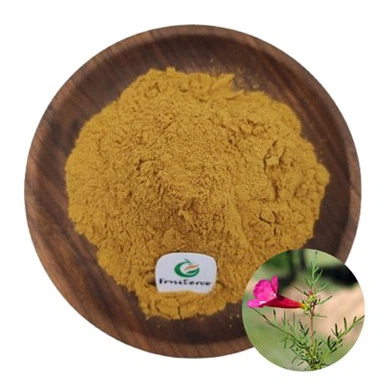
Key Ingredient: Chasteberry extract(Vitex). It helps regulate the menstrual cycle and alleviate menstrual irregularities, while also easing discomforts such as mood swings, irritability, headaches, bloating, and breast tenderness.
5. Anti-Aging: Healthy and long-lived
Consumer perspectives on aging are shifting; according to a report by The New Consumer and Coefficient Capital, American consumers increasingly aspire not merely to live longer, but to live healthier lives. Current research and development in longevity supplements is pivoting toward healthy aging, aiming to support the health of middle-aged and older adults by targeting biological pathways such as mitochondrial function, autophagy, and NAD+ depletion. Popular ingredients in this category include spermidine, NMN, resveratrol, CoQ10, and fisetin.
A key example is spermidine, a naturally occurring polyamine found in various human tissues as well as in everyday foods such as wheat germ, mushrooms, and soybeans. As early as 2009, the international journal *Nature Cell Biology* revealed that spermidine can extend lifespan by inducing autophagy.
Studies have found that the intake of spermidine powder can reduce the risk of cardiovascular disease and cognitive decline. Additionally, research involving older adults has shown that spermidine-rich wheat germ extract offers modest improvements in memory function and exhibits anti-inflammatory properties.

6. Cognitive Enhancement: Students and Working Professionals Emerge as Key Consumer Groups
The target audience for cognitive-enhancing products is no longer limited to the elderly; it is expanding to include students, white-collar professionals, and individuals engaged in high-intensity mental work. Data indicates that the market size for brain-nutrition products grew by 50.6% year-over-year, demonstrating strong growth momentum. Meanwhile, social media buzz centered on "brain nutrition" surged by 303.4% within a single year. Popular ingredients in cognitive-enhancing supplements include creatine, magnesium L-threonate, Alpha GPC, CDP-Choline, lion's mane mushroom, and Bacopa monnieri.
Key Ingredient: Magnesium L-Threonate powder. It is a compound formed by the combination of magnesium ions and L-threonic acid. It can efficiently cross the blood-brain barrier and exert neuroprotective effects by inhibiting acetylcholinesterase (AChE) activity, modulating anti-inflammatory pathways, and protecting mitochondrial function.
7. Sports Nutrition: Moving Beyond the Arena into Everyday Life
The target audience for sports nutrition products is expanding from elite athletes to include general fitness enthusiasts, casual sports participants, and the middle-aged and elderly populations. Data from Precedence Research indicates that the global sports nutrition market was valued at $52.32 billion in 2025; the market is projected to grow from $56.29 billion in 2026 to $107.95 billion by 2035, with a compound annual growth rate (CAGR) of 7.51% during the 2026–2035 period. Popular ingredients in sports nutrition supplements include creatine, protein, electrolytes, beta-alanine, and Rhodiola rosea.
Key Ingredient: Creatine. Creatine is a nitrogen-containing organic acid synthesized within the body from arginine, glycine, and methionine. Its primary function is to supply energy to muscle cells; it also serves as a crucial component for energy provision in brain cells. Additionally, creatine helps delay muscle loss and supports bone health. Extensive research demonstrates that creatine supplementation can significantly enhance muscle strength and explosive power in the short term.
8. Men's Health: A Shift Toward Holistic Vitality Enhancement
Men's health products are shifting from simple testosterone supplementation toward specific functions such as energy provision, metabolic regulation, and cognitive enhancement. Consumers increasingly prefer multi-target products backed by clinical research. Popular ingredients in men's health supplements include Ashwagandha, zinc, magnesium, creatine, and Vitamin D.
Key Ingredient: Ashwagandha. Ashwagandha is an adaptogenic plant used in the traditional Indian medical systems of Ayurveda and Unani. Numerous clinical studies have demonstrated that Ashwagandha extract can significantly alleviate anxiety and reduce stress as well as serum cortisol levels.
Data from Precedence Research indicates that the global Ashwagandha market size is valued at $837.5 million in 2025; the market is projected to grow from $915.4 million in 2026 to $2.0142 billion by 2035, representing a compound annual growth rate (CAGR) of 9.17% during the 2026–2035 period.
9. Children's Nutrition: A Focus on Clean Labels and Convenient Formats
A new generation of parents is increasingly prioritizing ingredient transparency, evidence-backed dosages, clean formulations, and convenient delivery formats (such as powders and chewable tablets). Popular ingredients in children's supplements include Vitamin D, Omega-3, magnesium, probiotics, choline, and iron.
Key Ingredient: Choline. It is an essential nutrient that plays a critical role in neurotransmitter synthesis, brain development, and methyl metabolism. While the human liver can synthesize some choline, it cannot meet the body's total requirements; the *Dietary Nutrient Reference Intakes for Chinese Residents* recommends a daily choline intake of 250–500 mg for children and adolescents aged 4 to 18.
10. Immune Support: From "Flu Season Essential" to "Daily Standard"
Consumption scenarios for products designed to boost immunity have expanded from seasonal flu prevention to year-round daily health management. Data from Precedence Research indicates that the global immune health supplement market was valued at $23.14 billion in 2025; it is projected to grow from $24.87 billion in 2026 to $46.60 billion by 2035, representing a compound annual growth rate (CAGR) of 7.25% over that period. Popular ingredients in immune support supplements include Vitamin D, zinc, beta-glucan, and medicinal mushroom extracts (such as Reishi, Shiitake, and Turkey Tail).
Key Ingredient: Beta-glucan powder. It is a type of dietary fiber found in yeast, oats, and barley. It binds to specific receptors on the surface of immune cells and enhances the phagocytic activity of macrophages, thereby optimizing the body's immune response and maintaining immune system balance.
about us:
Fruiterco is an export company that mainly produces plant extracts, health product raw materials, and cosmetic raw materials. The company has a 20+ professional service after-sales team.
Our products are sold to North America, Europe, Australia, South America and Asia. Our products have passed quality inspection and also support customer re-inspection. We are a professional supplier and manufacturer of red bean powder. If you wish to buy magnesium L-threonate, please contact us: Email: info@fruiterco.com.
References:
1. Vitaquest International,10 Supplement Trends Every Brand Should Watch In 2027
2. NIH Office of Dietary Supplements–Ashwagandha Fact Sheet.
3. Zhong X, Wang G, Li F, Fang S, Zhou S, Ishiwata A, Tonevitsky AG, Shkurnikov M, Cai H, Ding F. Immunomodulatory Effect and Biological Significance of β-Glucans. Pharmaceutics. 2023 May 29,15(6):1615.
4. Dietary Supplements Market (2026 – 2033). Grand View Research. Retrieved July 23, 2026 from https://www.grandviewresearch.com/industry-analysis/dietary-supplements-market-report.
5. Hausenblas HA, Lynch T, Hooper S, et al. Magnesium L-threonate improves sleep quality and daytime functioning in adults with self-reported sleep problems: A randomized controlled trial. Sleep Medicine X. 2024;8:100121.
6. Bulman A, D'Cunha NM, Marx W, et al. The effects of L-theanine consumption on sleep outcomes: A systematic review and meta-analysis. Sleep Medicine Reviews. 2025; 81:102076. https://doi.org/10.1016/j.smrv.2025.102076.
7. Avgerinos KI, Spyrou N, Bougioukas KI, Kapogiannis D. Effects of creatine supplementation on cognitive function of healthy individuals: A systematic review of randomized controlled trials. Experimental Gerontology. 2018;108:166-173.
8. Grieb P. Citicoline: A Superior Form of Choline? Nutrients. 2014;6(11):4560-4571.