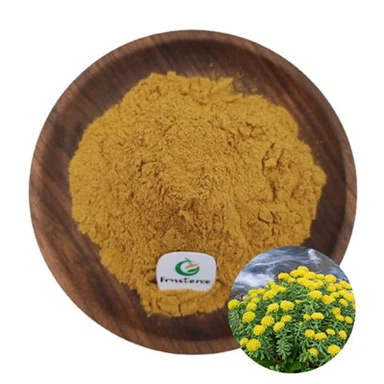
Muskmelon Powder: Nutritional Content, Scientific Basis, Benefits, And Uses
Aug 28, 2026
what is Muskmelon Powder?
Muskmelon powder is typically produced from the flesh of ripe muskmelons (Cucumis melo L.) through processes such as washing, cutting, drying, pulverizing, and sieving.
Depending on the raw material variety and production process, the powder may appear pale yellow, yellow-green, or light orange, and it retains the characteristic aroma and flavor of the muskmelon.
Muskmelons belong to the Cucurbitaceae family and encompass numerous cultivated varieties, such as cantaloupe and honeydew. Different varieties exhibit variations in their content of sugars, vitamins, carotenoids, polyphenols, and other phytochemicals.
Nutritional Profile and Scientific Basis of Muskmelon Powder:
1. Rich in Various Nutrients
Melons are fruits with high water content that also contain nutrients such as natural sugars, vitamins, and minerals.
The Vitamin C, beta-carotene, and other phytochemicals found in melons have attracted attention in the field of nutritional research. The levels of bioactive compounds vary across different varieties, influenced by factors such as genetic background, growing environment, maturity, storage conditions, and processing methods.
2. Research on Natural Polyphenols and Antioxidant Properties
Polyphenols are important plant secondary metabolites in fruits and a key focus of modern functional food research. Various phenolic compounds, including phenolic acids and flavonoids, have been detected in melons. Studies have shown that the peel, flesh, and other parts of the melon possess free-radical scavenging capabilities.
Research indicates that melon peels contain various phenolic compounds and carotenoids, which demonstrate antioxidant activity in in vitro assays such as DPPH, ABTS, and ORAC.
muskmelon powder benefits:
1. Free Radical Scavenging
Polyphenols and other antioxidant compounds found in fruits contribute to free radical scavenging through chemical mechanisms such as acting as electron or hydrogen atom donors.
Research on melons indicates a correlation between the antioxidant capacity of the fruit-as well as its by-products-and the presence of phytochemicals such as phenolic compounds and carotenoids.
2. Carotenoids
Certain melon varieties contain carotenoids such as β-carotene, lutein, and β-cryptoxanthin. Among these, β-carotene serves as a provitamin A and plays a significant role in human nutrition; however, the carotenoid composition varies considerably across different melon varieties.
3. Dietary Fiber
If muskmelon powder is produced using whole fruit-incorporating a significant amount of pulp and some peel-its dietary fiber content may be higher than that of powder made solely from concentrated juice.
Dietary fiber is a key ingredient in modern nutritional products; it helps increase the dietary fiber density of foods and provides a richer nutritional profile for functional foods and meal-replacement products.

Muskmelon Powder uses:
1. Solid Beverages
Muskmelon powder can be incorporated into solid beverages as a fruit-flavoring and phytonutrient ingredient. Examples include:
- Whey protein
- Collagen
- Plant-based protein
- Electrolytes
- Vitamins
- Other fruit powders
2. Functional Beverages
The natural fruit aroma of muskmelon powder makes it suitable for use in ready-to-drink beverages and fruit-flavored functional drinks. Example: Muskmelon Powder + Vitamin C + Electrolytes
3. Baked Goods
Muskmelon powder can be used in:
- Cookies
- Cakes
- Bread
- Energy bars
- Cereal bars
- Fruit-filled products
4. Dairy Products
Fruit powder is ideal for incorporation into products such as yogurt, plant-based yogurt, milkshakes, and ice cream.
5. Dietary Supplements
In the dietary supplement sector, muskmelon powder can serve as a component of comprehensive phytonutrient formulas-for example, a blend of fruit powder, vegetable powder, plant protein, and vitamins/minerals.
FAQs:
Q1: What nutrients does Muskmelon Powder contain?
The specific content depends on the melon variety and the processing method. Key components to consider include natural sugars, dietary fiber, vitamins, minerals, and phytochemicals such as polyphenols and carotenoids.
Q2: Does Muskmelon Powder have antioxidant properties?
Melons and their various parts contain compounds-such as polyphenols and carotenoids-that are known for their antioxidant potential; studies have demonstrated antioxidant activity in *in vitro* models like DPPH and ABTS assays. However, *in vitro* antioxidant capacity does not directly equate to clinical effects in humans following consumption.
Q3: Can Muskmelon Powder be used in beverages?
Yes. Its fruity flavor makes it ideal for use in powdered drink mixes, fruit-flavored beverages, milkshakes, nutritional drinks, and plant-based beverages.
Q4: Is Muskmelon Powder suitable for use in dietary supplements?
Yes, it can serve as a plant-based fruit ingredient in dietary supplements or blended fruit powder products. Specific formulations and nutritional claims should be designed in accordance with the regulations of the target market.
Q5: Are Muskmelon Powder and Cantaloupe Powder the same?
Not necessarily. Cantaloupe powder is a specific type of Cucumis melo(sweet melon), whereas the term muskmelon is often used in the commercial market to refer to various types of melons. Therefore, when sourcing, it is advisable to verify the botanical name, specific variety, plant part used, and processing specifications.
about us:
Fruiterco is an export company that mainly produces plant extracts, health product raw materials, and cosmetic raw materials. The company has a 20+ professional service after-sales team.
Our products are sold to North America, Europe, Australia, South America and Asia. Our products have passed quality inspection and also support customer re-inspection. We are a professional supplier and manufacturer of red bean powder. If you wish to buy Muskmelon Powder, please contact us: Email: info@fruiterco.com.
References:
1. Road to valorisation of melon seeds (Cucumis melo L.): a comprehensive review of nutritional profiles, biological activities, and food applications. Sustainable Food Technology. 2024;2:1166–1182. DOI: 10.1039/D4FB00119B.
2. Nanoparticles based on whey and soy proteins enhance the antioxidant activity of phenolic compound extract from Cantaloupe melon pulp flour (Cucumis melo L.). Food Chemistry. 2025;464:141738. DOI: 10.1016/j.foodchem.2024.141738.
3. Impact of simulated in vitro gastrointestinal digestion on bioactive compounds, bioactivity and cytotoxicity of melon (Cucumis melo L. inodorus) peel juice powder. Food Bioscience. 2022.
4. Valorization of melon fruit (Cucumis melo L.) by-products: Phytochemical and Biofunctional properties with Emphasis on Recent Trends and Advances. Trends in Food Science & Technology. 2020.
5. Melon (Cucumis melo L.) by-products: Potential food ingredients for novel functional foods? Trends in Food Science & Technology. 2019.
6. A chemical valorisation of melon peels towards functional food ingredients: Bioactives profile and antioxidant properties. Food Chemistry. 2021.
7. Antioxidant and pharmacological activity of Cucumis melo var. cantaloupe. Multiple Biological Activities of Unconventional Seed Oils. 2022.
8. Yang Y, Ling W. Health Benefits and Future Research of Phytochemicals: A Literature Review. The Journal of Nutrition. 2025;155(1):87–101. DOI: 10.1016/j.tjnut.2024.11.007.