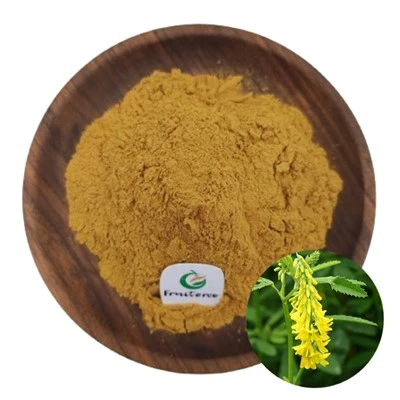
Alisma Orientale Extract: Scientific Basis, Mechanisms Of Action, And Uses
Sep 11, 2026
what is Alisma Orientale Extract?
Alisma orientale extract is derived from the rhizome of the plant Alisma orientale and is a botanical extract with a long history of traditional use. Modern phytochemical research indicates that the rhizome contains various bioactive natural constituents, most notably protostane-type triterpenoids, such as Alisol A, Alisol A 24-acetate, Alisol B, Alisol B 23-acetate, and Alisol F.
Scientific Basis for Alisma orientale Extract:
In recent years, a key focus of research on Alisma orientale has been its potential role in regulating lipid and glucose metabolism.
A 2023 international review systematically summarized the progress made over the past decade regarding Alisma orientale and its active constituents in the context of cardiovascular disease and obesity. The research suggests that compounds such as Alisol B 23-acetate, Alisol A 24-acetate, and Alisol A may exert their effects by modulating lipid metabolism, inflammation, and signaling pathways associated with AMPK and PPAR.
A more recent review from 2025 further summarized research on the phytochemistry, pharmacology, and toxicology of Alisma orientale, noting that modern experimental studies have observed activities-such as diuresis, liver protection, regulation of blood glucose and lipids, and anti-inflammatory and antioxidant effects-associated with its extracts and specific active constituents.
Concurrently, a 2025 systematic review and meta-analysis involving rodent models further examined the impact of Alisma orientale on glucose and lipid metabolism, providing a foundation for future mechanistic and clinical studies.
Therefore, key areas of research interest regarding Alisma root extract currently include:
- Lipid metabolism
- Glucose metabolism
- Liver health
- Cardiometabolic research
- Inflammation
- Oxidative stress
- Fluid balance
Mechanisms Of Action of Alisma Orientale Extract:
1. Regulation of Lipid Metabolism
Lipid metabolism is a key area of research regarding Alisma and its triterpene constituents. Early mechanistic studies suggest that Alisma-derived compounds may inhibit hepatic lipogenesis and promote fatty acid oxidation-potentially by modulating AMPK and PPARα signaling pathways-thereby reducing the accumulation of hepatic triglycerides.
2. Influence on Glucose Metabolism
Research on Alisma also focuses on glucose metabolism. Experimental studies indicate that certain active constituents may affect pathways associated with hepatic gluconeogenesis and participate in the regulation of glucose homeostasis through signaling pathways such as AMPK.
3. Anti-inflammatory Effects
Inflammation and oxidative stress constitute another area of research concerning Alisma extracts and their individual constituents. A 2023 study investigated alismol, a compound found in Alisma, in depth. In a mouse model of lipopolysaccharide-induced acute lung injury, alismol reduced various inflammation-related markers while simultaneously activating Nrf2 and its downstream antioxidant defense pathways.

alisma orientale uses:
1. Botanical Nutritional Supplements
Alisma extract can serve as a plant-derived functional ingredient for the development of:
- Botanical Supplements
- Herbal Extract Supplements
- Metabolic Wellness Formulas
- Plant-Based Nutritional Products
2. Metabolic Health Products
Given the significant links found in research between Alisma and lipid, glucose, and energy metabolism, a promising commercial direction is metabolic health. It can be combined with other botanical ingredients for use in research-oriented or nutritional formulations, such as:
- Botanical Metabolic Formulas
- Weight Management Nutrition
- Lipid Metabolism Formulas
- Healthy Lifestyle Supplements
3. Formulations for Liver Health
Extensive experimental research has been conducted on Alisma orientale and its triterpenoid constituents regarding hepatic lipid accumulation, oxidative stress, and inflammation, highlighting their potential for the development of liver-supportive formulations. Compounds such as Alisol A and Alisol B 23-acetate, in particular, warrant focused attention in future research on standardized botanical extracts.
4. Cardiovascular and Lipid Metabolism Research
A 2023 review highlighted the potential value of Alisma orientale and its active constituents in cardiovascular disease research, specifically regarding lipid metabolism, vascular smooth muscle cell behavior, and inflammatory responses. Consequently, Alisma orientale extract powder can be positioned for development as an ingredient for cardiometabolic research.
about us:
Fruiterco is an export company that mainly produces plant extracts, health product raw materials, and cosmetic raw materials. The company has a 20+ professional service after-sales team.
Our products are sold to North America, Europe, Australia, South America and Asia. Our products have passed quality inspection and also support customer re-inspection. We are a professional supplier and manufacturer of red bean powder. If you wish to buy Alisma Orientale Extract, please contact us: Email: info@fruiterco.com.
References:
1. Pan T, et al. Botany, traditional uses, phytochemistry, pharmacology, toxicology and quality control of Rhizoma Alismatis: A review. Frontiers in Pharmacology. 2025.
2. Zhu D, et al. A Systematic Review and Meta-Analysis of Rodent Studies on Alismatis Rhizoma and metabolic effects. 2025.
3. Wu Y, et al. Therapeutic Effects of Alisma orientale and its Active Components on Cardiovascular Diseases and Obesity. 2023.
4. Kim KH, et al. Alismol Purified from the Tuber of Alisma orientale Relieves Acute Lung Injury in Mice via Nrf2 Activation. International Journal of Molecular Sciences. 2023.
5. Shen R, et al. Alisol A, the Eye-Entering Ingredient of Alisma orientale, 2024.
6. Lee MJ, et al. A 90-Day Repeated Oral Dose Toxicity Study of Alismatis Rhizoma Aqueous Extract in Rats. Toxicological Research. 2019.
7. Choi E, et al. Pharmacological Activities of Alisma orientale against Nonalcoholic Fatty Liver Disease and Metabolic Syndrome. 2019.
8. Zhang X, et al. Diuretic Activity of Compatible Triterpene Components of Alismatis Rhizoma. 2017.